Building a Travel First-Aid Kit: A Complete Checklist
As an Amazon Associate I earn from qualifying purchases.
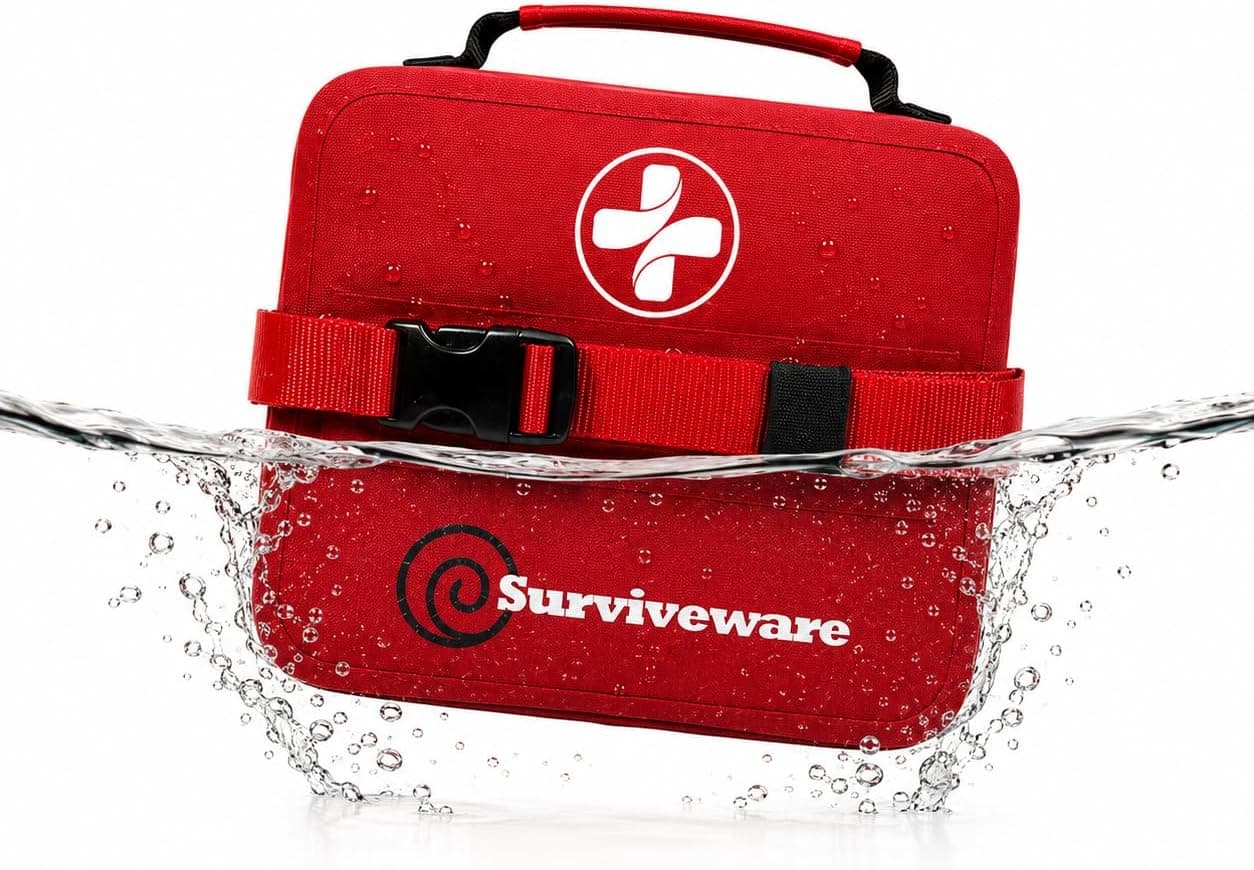
A good travel first-aid kit is small, deliberate, and tailored to where you are going. Most store-bought kits are padded with filler you will never use, so building your own keeps it light and genuinely useful. Here is a checklist for a compact kit that covers the real problems travelers face.
Start With Wound Care Basics
The most common travel injuries are small: blisters, scrapes, and shallow cuts. Cover those first with an assortment of adhesive bandages, a few gauze pads, medical tape, antiseptic wipes, and a small tube of antibiotic ointment. Blister plasters deserve special mention, since a walking trip can be derailed by a single hot spot you ignored too long.
Add a pair of fine-point tweezers and a small pair of scissors for splinters, ticks, and cutting tape to size. These tools weigh almost nothing and solve problems that bare hands cannot, which is exactly the kind of high-value, low-weight item that belongs in a one-bag kit.
Medications Worth Carrying
Stock a small strip of the essentials: pain relievers, an antihistamine, anti-diarrheal tablets, rehydration salts, and any motion-sickness medicine you know you tolerate. These address the illnesses that most often interrupt a trip, and having them on hand at 2 a.m. in an unfamiliar town beats hunting for a pharmacy that may not carry what you need.
Keep prescription medication in its original labeled packaging and pack more than the trip requires in case of delays. Split your supply between your daypack and main bag so a lost bag never leaves you without something you depend on daily.
Match the Kit to Your Destination
A city break and a jungle trek need different kits. For remote or tropical destinations, add rehydration salts, a broader course of any doctor-recommended medication, insect-bite treatment, and sunburn relief. For high-altitude trips, talk to your doctor about medication before you leave rather than improvising on the mountain.
Clean water is a foundational health tool in many regions, and getting sick from tap water is one of the most common ways a trip goes sideways. A filter bottle lets you drink safely from uncertain sources and reduces the plastic waste of buying bottled water everywhere you go.
Keep It Organized and Findable
In an emergency you do not want to dump the whole kit out to find one item. Use a pouch with clear compartments or internal mesh so you can see everything at a glance, and group items by purpose: wound care in one pocket, medication in another. A pouch that unfolds or hangs makes a difference when you are treating someone by phone-flashlight.
Label anything that is not obvious and tuck a small card listing your allergies, blood type, and an emergency contact into the kit. If someone else has to help you, that card turns a locked phone into a non-issue and speeds up any care you receive.
Maintain and Restock the Kit
A first-aid kit is only useful if it is complete. After each trip, replace anything you used and check expiration dates on medications and ointments, since heat and time degrade them faster than you would expect. A five-minute restock at home beats discovering an empty wrapper when you actually need a bandage.
Keep the kit packed and ready between trips so it is one less thing to assemble before you leave. Storing it with your other travel essentials means you can grab it and go, confident that the small stuff is handled before you even zip the bag.