Carry-On Liquids Rules Explained
As an Amazon Associate I earn from qualifying purchases.
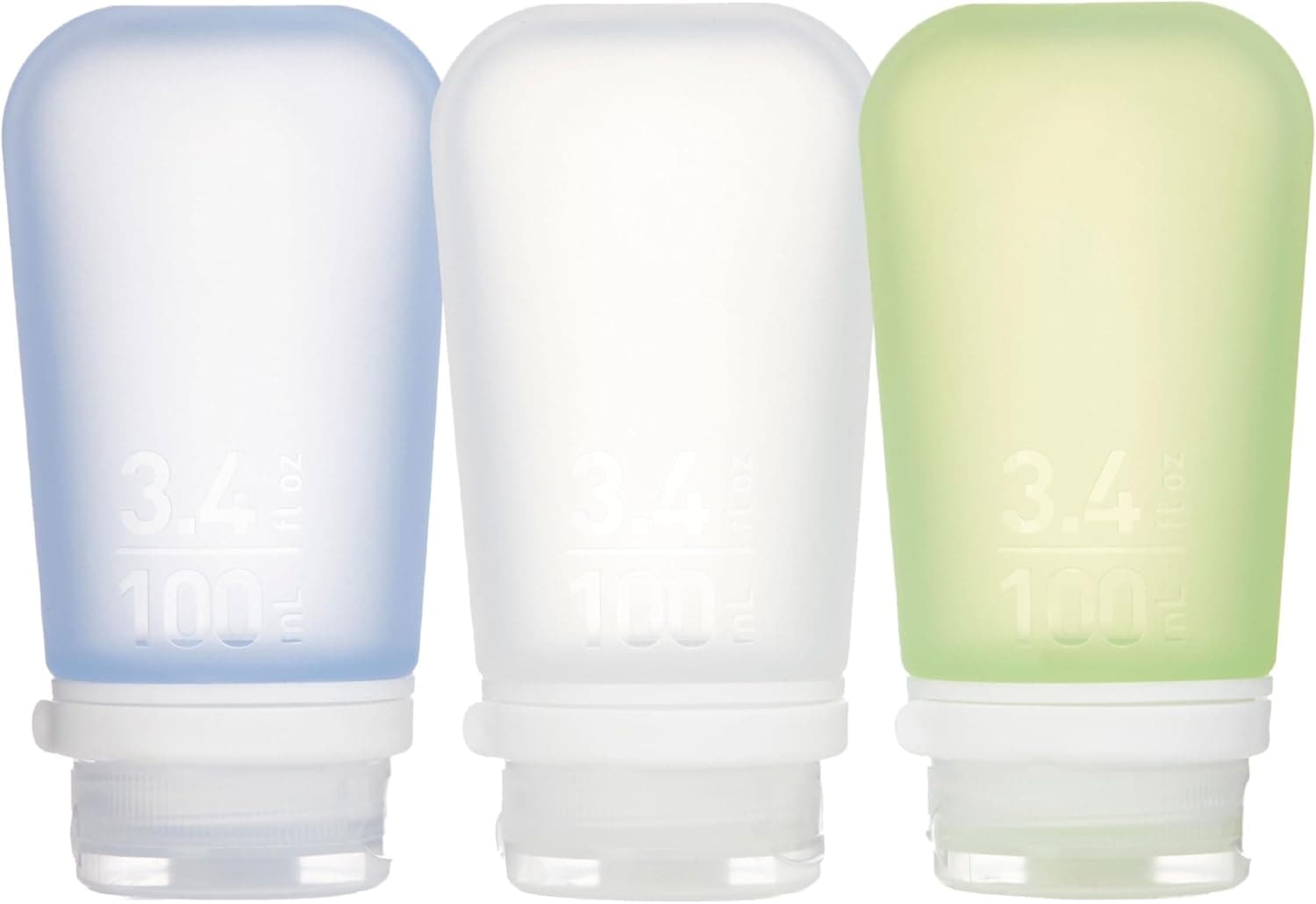
The liquids rule trips up more travelers than almost anything else at security. The core idea is simple once you learn it, but the edge cases around gels, powders, and exceptions cause confusion and lost items. This guide explains the TSA 3-1-1 rule in plain language, covers what actually counts as a liquid, and shares packing tricks that keep the line moving.
What 3-1-1 Actually Means
The rule breaks into three easy numbers. Each container of liquid must hold 3.4 ounces or 100 milliliters or less, all your containers must fit in one clear quart-size or one liter bag, and each traveler gets one such bag. The container size is what matters, not how full it is, so a large half-empty bottle still fails the check.
Because the limit is per container, decanting is your friend. Move shampoo, lotion, and other liquids into small travel bottles that sit at or under the limit, and they all become compliant. A set of leak-resistant travel bottles and one clear bag turns a messy toiletry situation into a quick, predictable pass through the scanner.
What Counts as a Liquid
The definition is broader than most people expect. Beyond obvious liquids like water and shampoo, the rule captures gels, creams, pastes, and aerosols, which means toothpaste, sunscreen, gel deodorant, peanut butter, and even soft cheeses can be flagged. If a substance can be poured, spread, or sprayed, assume it counts and pack it accordingly.
Powders occupy a gray area worth knowing. Larger quantities of powder may get extra screening, though they are not covered by the liquid limit itself. When in doubt, treating a borderline item as a liquid and putting it in your quart bag is safer than gambling at the checkpoint, where an officer makes the final call and can discard anything that fails.
Exceptions to Know
Some items are allowed in reasonable, larger quantities even though they are liquids. Medications, including liquid prescriptions, are generally permitted beyond the limit, as are baby formula, breast milk, and juice for infants. You should declare these to officers at the start of screening, and they may receive additional inspection separate from your quart bag.
Duty-free liquids bought after security can also travel with you, usually sealed in a tamper-evident bag with the receipt visible. Be careful on connecting flights, since a second security screening in another country may not honor that seal. Knowing these carve-outs prevents surprises and keeps essential items with you instead of in a bin behind the checkpoint.
Solids Sidestep the Rule
The cleanest way to beat the liquid limit is to avoid liquids altogether. Solid alternatives are not restricted, so a shampoo bar, a bar of soap, toothpaste tablets, and a solid stick deodorant free up space in your quart bag and remove any risk of leaks inside your pack during pressure changes at altitude.
Switching to solids also lightens your load and simplifies packing. A single bar can outlast several bottles, and there is nothing to spill onto your clothes. Many travelers keep just a few genuinely necessary liquids, such as a specific medication or contact solution, and cover everything else with solid formats that pass security without a second look.
Pack Smart for the Checkpoint
Speed at security comes from access. Keep your quart bag near the top of your pack or in an outer pocket so you can pull it out in one motion when asked. A hanging toiletry kit with a dedicated clear pouch lets you lift out just the liquids without unpacking your whole bag onto the belt in front of an impatient line.
A little preparation avoids losing gear you care about. Empty water bottles before the checkpoint and refill after, double-check that no stray full-size bottle hides in your bag, and know your airport allows what you are carrying. These habits mean you rarely surrender anything and you clear the scanner calmly instead of scrambling at the last second.