How to Choose a Travel Backpack Size
As an Amazon Associate I earn from qualifying purchases.
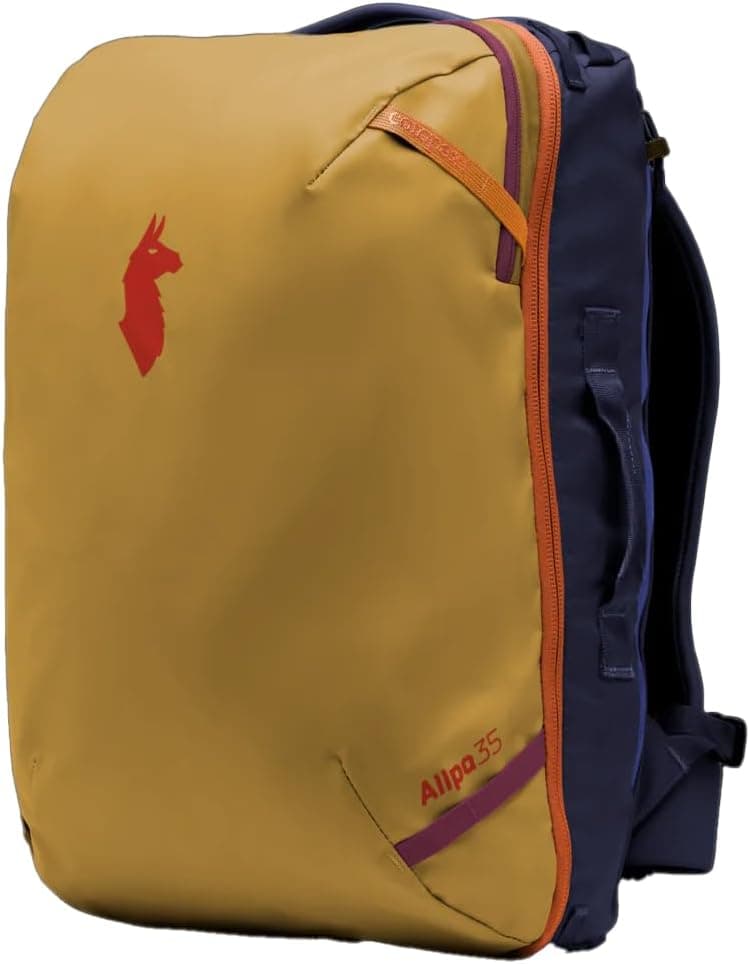
Backpack capacity is the decision that shapes every trip. Too small and you leave essentials behind, too large and you overpack and risk gate-checking. The popular one-bag sizes of 30, 40, and 45 liters each suit a different traveler and trip type. This guide explains what each size does well so you can match capacity to how you actually travel.
What Liters Actually Mean
Liters measure the total interior volume a bag can hold, but that number only tells part of the story. Two bags of the same stated capacity can carry very differently depending on shape, how the opening works, and how much of the volume sits in awkward pockets. Treat liters as a rough guide rather than a precise promise of what fits.
External dimensions matter just as much as volume for carry-on travel. A 40 liter bag that respects airline length, width, and depth limits is more useful than a 35 liter bag shaped too tall to board. Always check the physical dimensions against your airline alongside the liter rating, since the two do not always move together as you would expect.
The 30 Liter Class
Around 30 liters is the minimalist and weekend sweet spot. It comfortably holds a few days of clothing, a laptop, and daily essentials while staying light and easy to carry all day. Many bags this size also slip under the seat as a personal item, which can save fees and speeds up boarding and exit.
The tradeoff is discipline. At this size you must commit to washing clothes and packing only versatile pieces, since there is no room for extras or bulky gear. For warm-weather trips, seasoned packers, or anyone who values moving light above all else, 30 liters is plenty and rewards you with a bag you barely notice on your back.
The 40 Liter Class
Forty liters is the classic one-bag size for good reason. It sits right at the upper limit many airlines allow for cabin luggage, giving you maximum space that still boards as a carry-on. That room handles trips of a week or much longer when paired with laundry, plus a little margin for varied weather or a few souvenirs.
This size balances capacity and portability better than any other for most travelers. It is large enough that you rarely feel constrained, yet small enough to stay comfortable and airline-friendly. If you want one bag that works for nearly every trip without much thought, 40 liters is the safest default and the most popular choice for a reason.
The 45 Liter Class
Forty-five liters is typically the maximum carry-on size, and it is the most a strict airline will usually accept in the cabin. It suits travelers who carry bulkier gear, colder-weather layers, or specialized equipment like camera kit that simply needs more room than lighter packers require for the same trip length.
The risk is that extra space invites overpacking, and a full 45 liter bag can push past weight limits or feel heavy on long walks. It also leaves no margin if an airline enforces smaller dimensions. Choose this size when you genuinely need the volume, then resist the urge to fill every last liter just because it is there.
Match Size to Your Style
Start from how you travel rather than the longest trip you can imagine. If you reliably wash clothes and favor warm destinations, size down and enjoy a lighter load. If you visit cold climates, carry work gear, or hate doing laundry, size up so the bag does not become a daily frustration on the road.
When you are genuinely between two sizes, the smaller one usually makes you a better packer. A slightly tight bag forces sharper choices and keeps weight down, while a roomy bag quietly fills with things you never use. Buy for the trips you actually take most often, not the rare edge case that tempts you toward more volume.