How to Choose a Travel Camera Setup
As an Amazon Associate I earn from qualifying purchases.
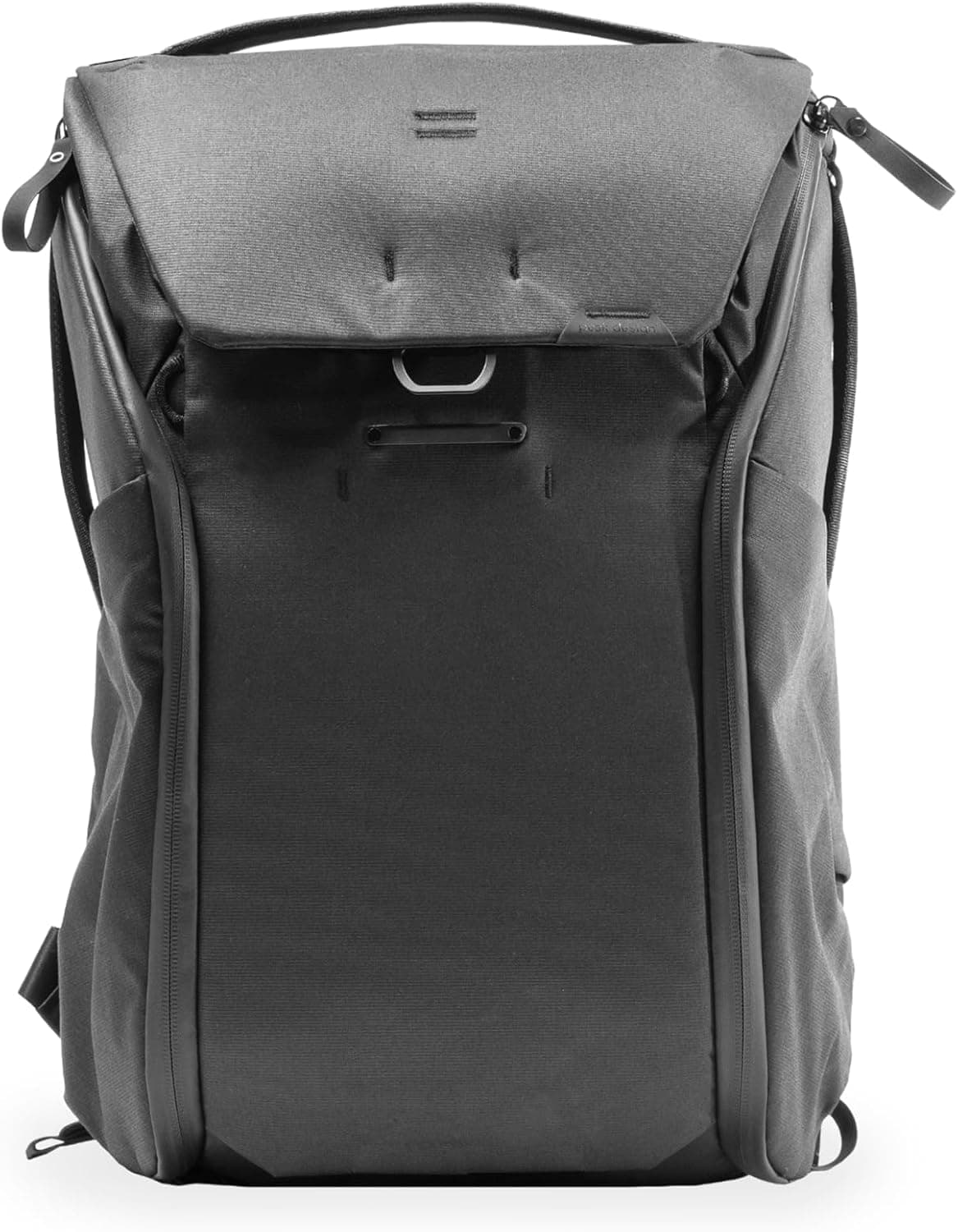
The best travel camera is the one you actually carry, which means weight and convenience matter as much as image quality. Building a setup for one-bag travel is a series of trade-offs between capability and bulk. Here is how to choose a camera, lenses, and carry system that keep you shooting without wearing you down.
Match the Camera to How You Travel
Start by being honest about your priorities. If you want maximum image quality and are willing to carry weight, a mirrorless body with interchangeable lenses is the standard. If you value packing light above all, a high-end compact or even your phone may serve you better than a camera that stays buried in your bag.
Think about your subjects too. Street and travel photographers often favor a small body with a single versatile lens, while landscape shooters may want wider glass. The right choice is the one you will reach for daily, not the one with the best spec sheet.
Keep the Lens Kit Lean
Lenses add up fast in both weight and volume, so resist packing your whole collection. For most trips, one versatile zoom or a single prime covers the vast majority of shots, and leaving the rest at home forces the kind of creative framing that makes travel photos better.
If you carry two lenses, make them complementary rather than overlapping, such as a wide zoom and a fast prime for low light. A tight, deliberate kit fits a smaller bag and keeps you nimble on long walking days.
Choose a Bag That Protects and Disappears
Your carry system is as important as the camera. A dedicated camera backpack with padded dividers keeps your gear safe from bumps and lets you reconfigure the space as your kit changes, while quick side access means you can grab the camera without taking the bag off.
For travel, a bag that does not scream expensive camera is a quiet security upgrade. Look for weather-resistant material, a comfortable harness for long days, and a size that still fits airline carry-on limits when it is full.
Guard Against Weather and Grime
Travel exposes gear to rain, sea spray, sand, and dust that can end a shoot early. A compact travel umbrella lets you keep shooting in a light shower and shields the camera while you swap lenses, and a rain cover for the bag adds cheap insurance for heavier downpours.
Fingerprints, salt spray, and misty lenses are constant nuisances, so keep a microfiber cloth in an outside pocket. A quick wipe keeps your glass clean and your shots sharp without hunting for a proper cleaning kit.
Handle Power, Storage, and Backups
Nothing stings like a dead battery at golden hour. Carry at least one spare battery, charge overnight without fail, and bring more memory than you think you need, since high-resolution files fill cards quickly on a long trip.
Back up as you go. Copying your cards to a phone or small drive each evening protects your photos against loss or theft, and a microfiber cloth doubles as a soft wrap to keep spare cards and batteries from rattling around loose in your bag.