How to Pack a Carry-On Backpack
As an Amazon Associate I earn from qualifying purchases.
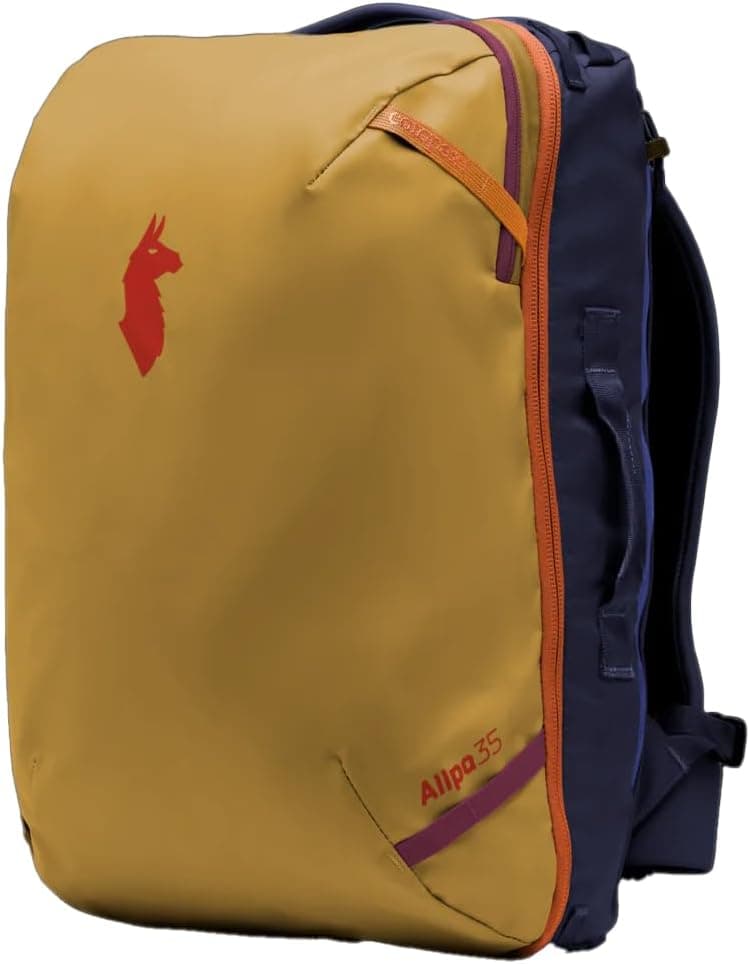
Packing a backpack is not the same as packing a suitcase. Weight sits on your shoulders and back, so where things go changes how the bag feels for hours. Do it well and a full carry-on rides comfortably through airports and cities. Do it poorly and it pulls at your shoulders all day. Here is a repeatable method that keeps the load balanced and easy to access.
Understand packing order first
Load your backpack in layers from the panel that sits against your back outward. Heavy, dense items belong close to your spine and centered vertically, because that keeps the load stable and stops the bag from sagging backward. Lighter, bulkier items fill the space toward the outside of the pack, where their weight has less effect on how the bag pulls at your body.
Frequency of use decides depth. Things you need in flight or at security, such as a laptop, liquids, and a charger, go where you can reach them without unpacking everything. Items you only touch at the hotel go deep. Planning this order before you start saves you from the classic mistake of burying your passport under three days of clothing.
Use packing cubes to create structure
Packing cubes turn a soft, shapeless backpack into organized blocks you can lift in and out. Group clothing by type or by outfit, then compress each cube to squeeze out air. This does not just save space, it stops your clothes from shifting into a heap every time you pull one thing out, which keeps the whole bag tidy for the entire trip.
Compression cubes go a step further by zipping down bulky items like jackets and knitwear. They are most useful for winter travel or for anyone who runs close to the volume limit. The tradeoff is that compressed clothing wrinkles more, so pair them with wrinkle-resistant fabrics and keep one soft cube for items you want to stay presentable.
Distribute weight for all-day comfort
The comfort of a loaded backpack comes down to weight placement. Keep the heaviest items high on your back and close to your spine, roughly between your shoulder blades. Weight that sits low or far from your body creates leverage that drags at your shoulders and tips you backward, which is why a badly packed light bag can feel worse than a well-packed heavy one.
Balance the load left to right as well. If one side holds a water bottle and a charger while the other holds nothing, you will lean and ache within an hour. Fill side pockets evenly and use the hip belt if your pack has one, since transferring even a little weight to your hips takes real strain off your shoulders on long walking days.
Keep a smart personal item
Most airlines let you bring a personal item alongside your carry-on, and using it well effectively expands your allowance. A small sling or tote holds the things you want during the flight, such as headphones, a snack, a book, and travel documents, so you are not digging into the main bag in a cramped seat.
Pack the personal item as a self-contained day bag. When you arrive, your big backpack stays at the hotel and the small bag becomes your daily carry for sightseeing. Choosing something that works in both roles saves you from packing a separate daypack, which is one of the easiest ways to trim weight and bulk from a one-bag setup.
Do a final weight and access check
Before you close the bag, weigh it on a luggage scale and check it against your airline's carry-on limit. Budget carriers enforce weight and size strictly, and getting flagged at the gate means a fee or a checked bag, which defeats the purpose of packing light. A quick weigh at home turns a stressful gate moment into a non-issue.
Then run an access test. Put the packed bag on and reach for your passport, phone, and liquids without opening the main compartment. If any of them force you to unpack, move them to an outer pocket now. A bag that is both under the limit and easy to reach into is what makes one-bag travel feel effortless rather than fiddly.