One-Bag Photography Gear Guide for Traveling Light
As an Amazon Associate I earn from qualifying purchases.
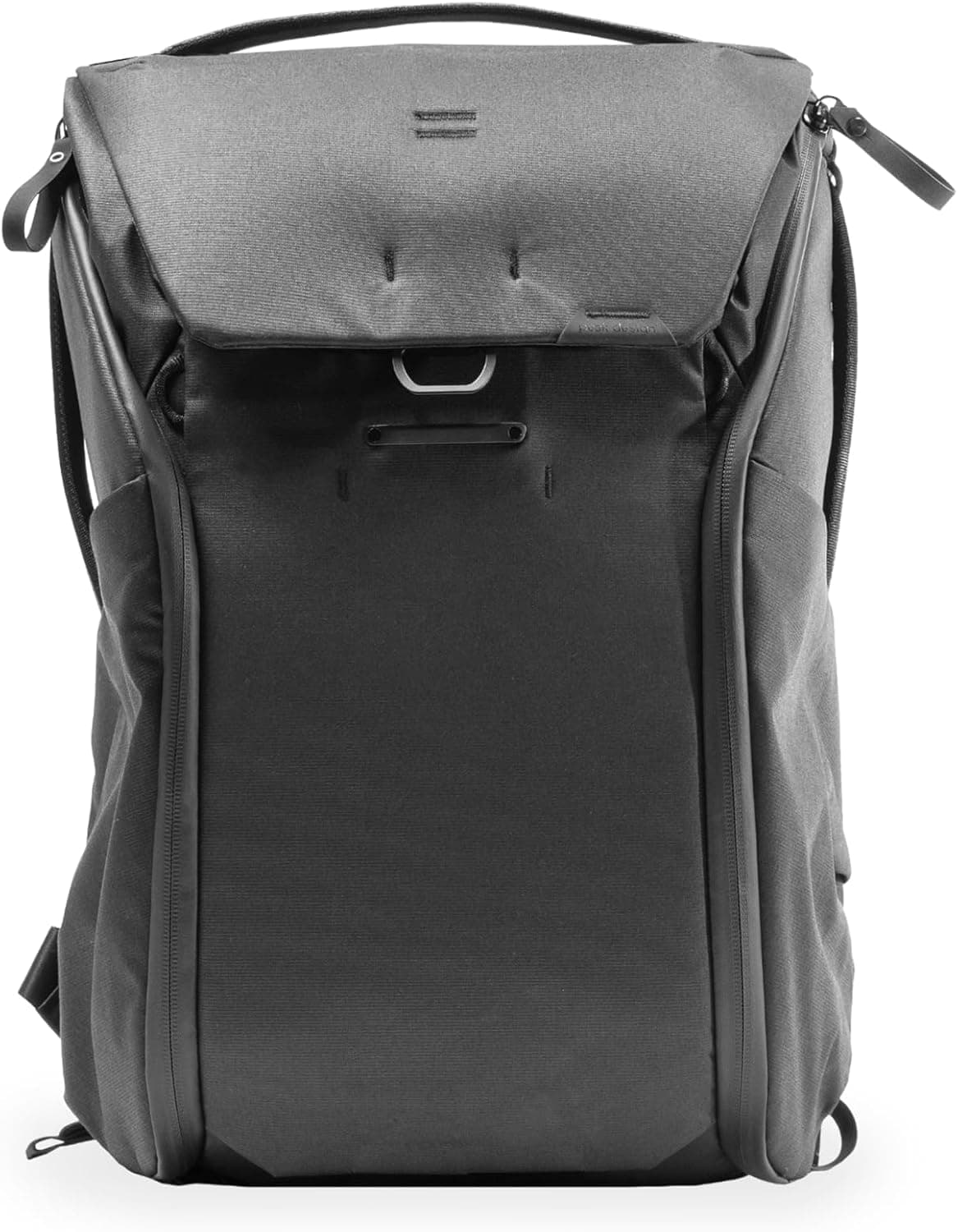
You do not need three bags to travel with a real camera. The trick to one-bag photography is ruthless editing of your kit and a pack that keeps everything protected and reachable. Here is how to build a travel-ready setup that fits in a single carry-on.
Pick One Body and Two Lenses
The fastest way to overpack is to bring a lens for every hypothetical shot. For one-bag travel, commit to a single body and two lenses that cover the widest useful range. A fast wide zoom plus a light prime handles landscapes, streets, interiors, and portraits without overlap, and it forces the kind of creative constraint that usually improves the photos anyway.
Mirrorless systems have made this much easier because the bodies and lenses are smaller and lighter than older DSLR kits. If you are choosing gear specifically for travel, weight and size should sit near the top of your priority list, right alongside image quality, since the best camera is the one you actually carry all day.
Organize the Bag for Fast Access
A camera you cannot reach quickly is a camera you will leave packed. Look for a backpack with a side-access panel so you can swing the bag to your front and pull the body out without setting everything on the ground. Customizable dividers let you carve out snug slots for the body, each lens, and a spare battery so nothing shifts in transit.
Keep small items disciplined. Spare batteries, memory cards, a blower, and a lens cloth belong in a dedicated pocket or pouch so they never rattle loose against your glass. A little organization up front saves you from the frantic search for a card just as the light turns golden.
Weatherproof Your Kit
Electronics and water do not mix, and travel days rarely go exactly as forecast. Even a weather-sealed body benefits from a bag with a rain cover or water-resistant fabric, and a couple of zip bags in an outer pocket cost nothing and can save a lens during a surprise downpour. Treat moisture as a when, not an if.
You also need to keep yourself dry so you can keep shooting. A packable rain jacket that stuffs into its own pocket weighs almost nothing and means a passing shower does not end your session or send you running for cover with unprotected gear.
Power, Storage, and Backups
Nothing ruins a shoot faster than a dead battery or a full card with no backup. Carry at least two spare batteries and more storage than you think you need, then build a simple daily habit of offloading cards to a phone or small drive each evening. Redundancy is the difference between a lost memory card and a minor annoyance.
A compact power bank keeps your phone, and often your camera, topped up on long days away from an outlet. Charging over USB-C has made this simpler, since one cable and one bank can feed almost everything in a modern travel kit.
Keep Gear Safe from Theft
A camera bag signals value, which makes it a target in busy tourist areas. Choose a pack in an understated color without loud branding, keep zippers toward your body in crowds, and never leave the bag unattended on a cafe chair. Blending in protects your gear better than any lock.
For hotels and hostels, a lightweight lock lets you secure the bag to a fixed object or lock the zippers when you step out. Combined with keeping your passport and cards in a separate slim holder rather than the camera bag, you spread out the risk so one grab does not cost you everything.