One-Bag Travel Tips for Beginners
As an Amazon Associate I earn from qualifying purchases.
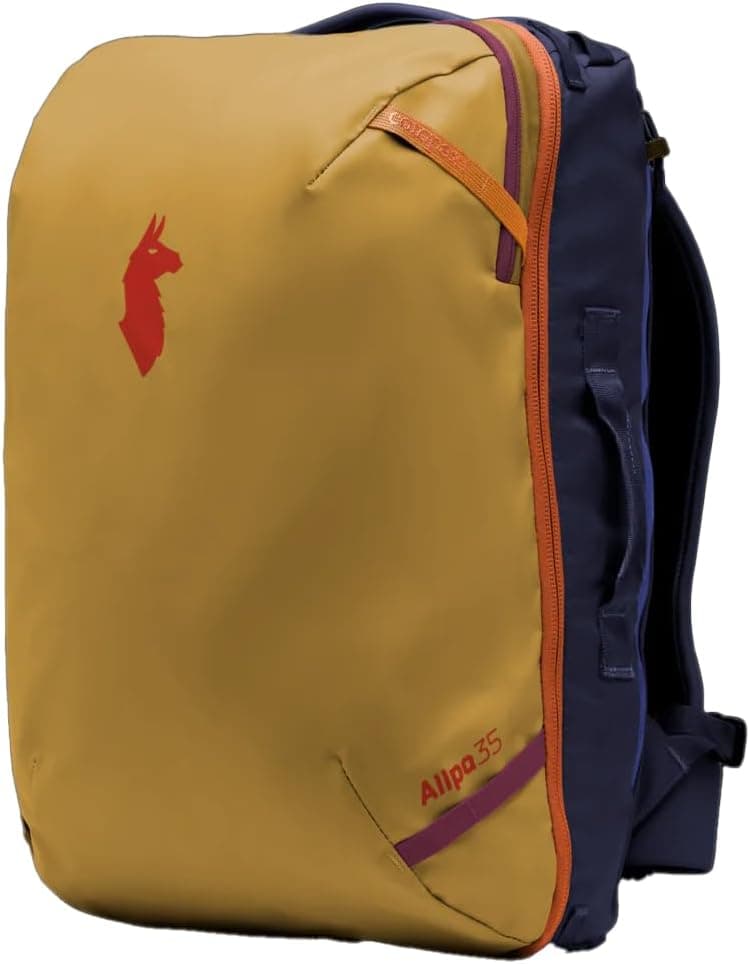
One-bag travel sounds intimidating until you do it once. The reality is that most people pack far more than they use, and a single carry-on covers almost any trip when you plan it right. The hardest part is not the packing, it is the mindset shift. This guide walks you through the common beginner mistakes and the simple habits that make your first light trip feel natural.
Start with the right bag
Your bag sets the ceiling for how much you can bring, and for a beginner that constraint is a feature, not a limit. Choose a carry-on backpack that fits your airline's size rules, opens flat like a suitcase for easy packing, and carries comfortably on your back. Fighting a bag that is too big or awkward is the fastest way to give up on light travel.
Do not buy the biggest bag that technically counts as carry-on. A slightly smaller bag forces better decisions and stays comfortable when full, while a maxed-out one tempts you to overstuff until it is heavy and unwieldy. The goal is a bag you can carry all day and lift into an overhead bin without strain, not one that wins on raw capacity.
Avoid the classic packing mistakes
The biggest beginner mistake is packing for imagined scenarios instead of your actual itinerary. The fancy dinner you might attend, the workout you probably will not do, the weather that is unlikely to happen. Each just in case item adds weight for an event that rarely comes, and together they fill a bag with things you carry around unused for the entire trip.
The second mistake is overpacking clothes because you assume you cannot do laundry. In reality, a sink wash and an overnight dry handles most trips, so you can pack for about four or five days and simply rewash. Trusting that you will do a little laundry is the mental unlock that lets a week or a month fit into the same small bag.
Adopt a lighter mindset
One-bag travel is really a shift in how you think about risk. Beginners pack to avoid ever being caught without something, while experienced travelers accept that almost anything can be bought or borrowed at the destination. Forgetting toothpaste is not a crisis, it is a two minute errand. That single reframe removes the anxiety that pads out most overweight bags.
Focus on what you use every single day and be ruthless about the rest. If an item would only earn its place once, it probably belongs at home. This does not mean traveling without comfort, it means being honest about what you actually reach for, which is usually a much shorter list than your first packing attempt suggests.
Organize so you can find everything
A light bag still needs internal order, or you end up unpacking it constantly to find one thing. Packing cubes and small pouches give every category a home, so clothes stay in one place and tech in another. When everything has a fixed spot, repacking each morning takes a minute and nothing gets left behind in a hotel drawer.
Keep a dedicated pouch for the small essentials that are easy to lose, such as chargers, adapters, and cables. Grouping them together means you can grab the whole kit in one go and always know if something is missing. This kind of light structure is what separates a tidy one-bag setup from a stressful rummage every time you need something.
Build the habit trip by trip
Your first one-bag trip will not be perfect, and that is fine. Pay attention to what you never touched and what you genuinely missed, then adjust for next time. Almost everyone discovers they packed too much rather than too little, so the correction is usually to remove things, which makes each trip lighter than the last.
Over a few trips you will develop a personal packing list you trust completely. Packing stops being a stressful evening of second-guessing and becomes a quick, confident routine. That confidence is the real reward of one-bag travel, since it turns the whole start of a trip from a chore into something you barely have to think about.