Choosing the Right Fabrics for Travel Clothing
Published How we research
Fabric is the hidden variable that decides how little you can pack. Two travelers with identical packing lists can have completely different experiences depending on what their clothes are made of, because fabric determines how often you must wash, how fast things dry, how much they weigh, and how they smell after a long day. Understanding the strengths and weaknesses of the main travel fabrics lets you build a wardrobe that supports light packing rather than fighting it.
Products from this article
The highest-scoring picks from the buying guides this article links to. Scores are our editorial assessment, not customer ratings.
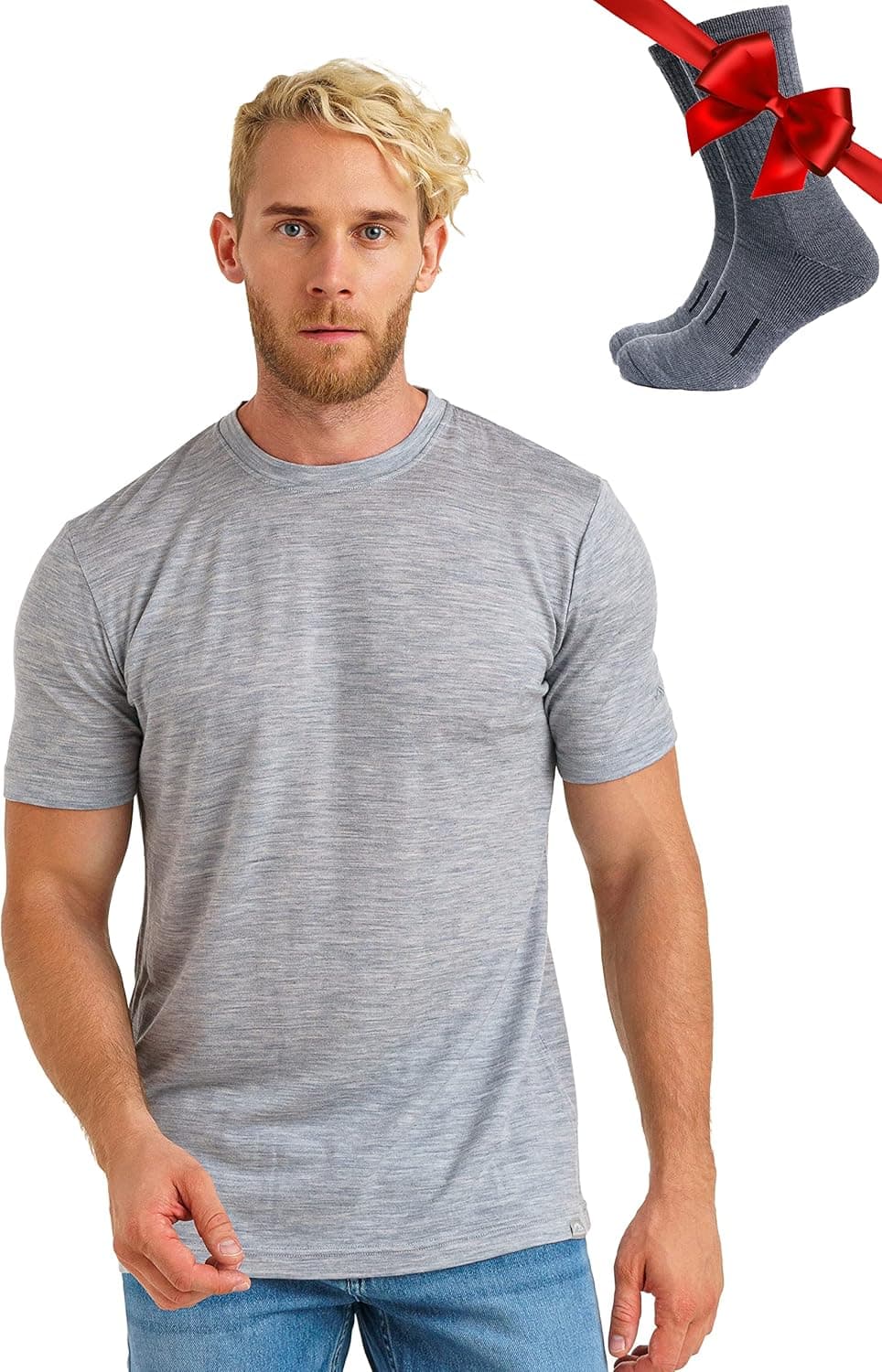
+ 100% merino wool resists odor, so you can rewear it several days between washes
From our guide: Best Travel Clothing and Laundry Gear for One-Bag Travel
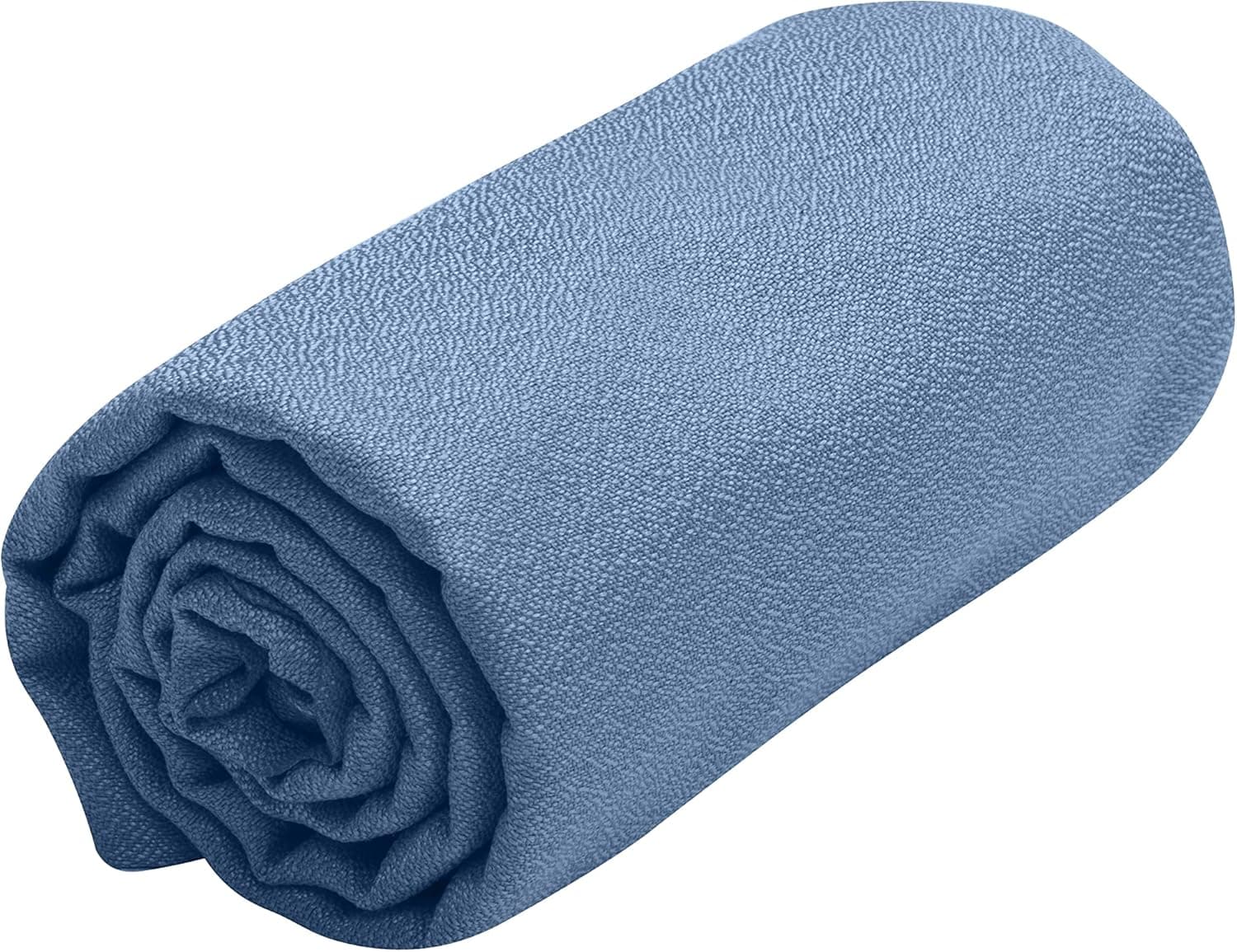
+ AirLite fabric is extremely light and packs tiny
From our guide: Best Microfiber Travel Towels
+ 165gsm merino breathes well and regulates temperature on hot days
From our guide: Best Travel Clothing and Laundry Gear for One-Bag Travel
+ 24-Hour merino design resists odors through long flights and travel days
From our guide: Best Travel Clothing and Laundry Gear for One-Bag Travel
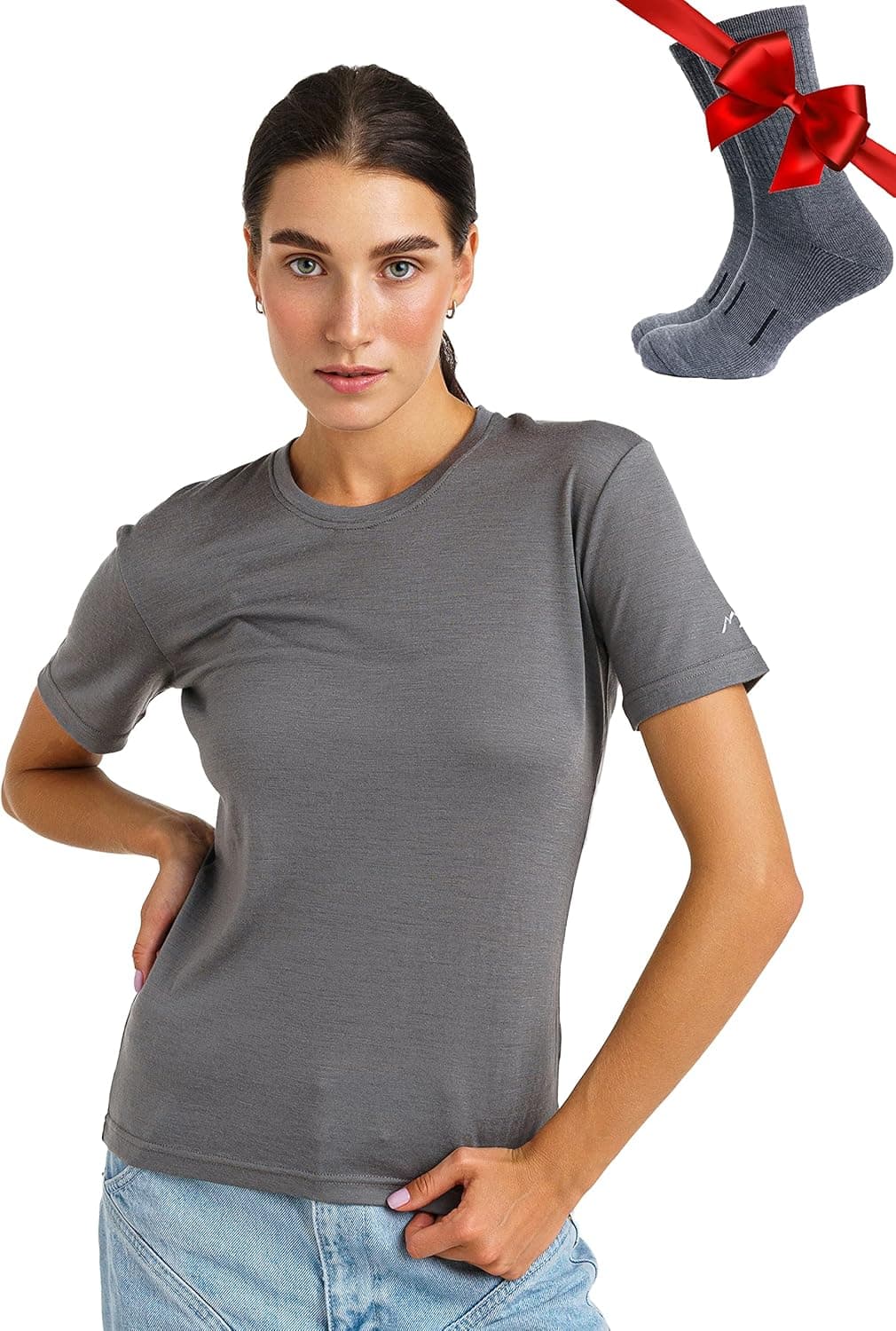
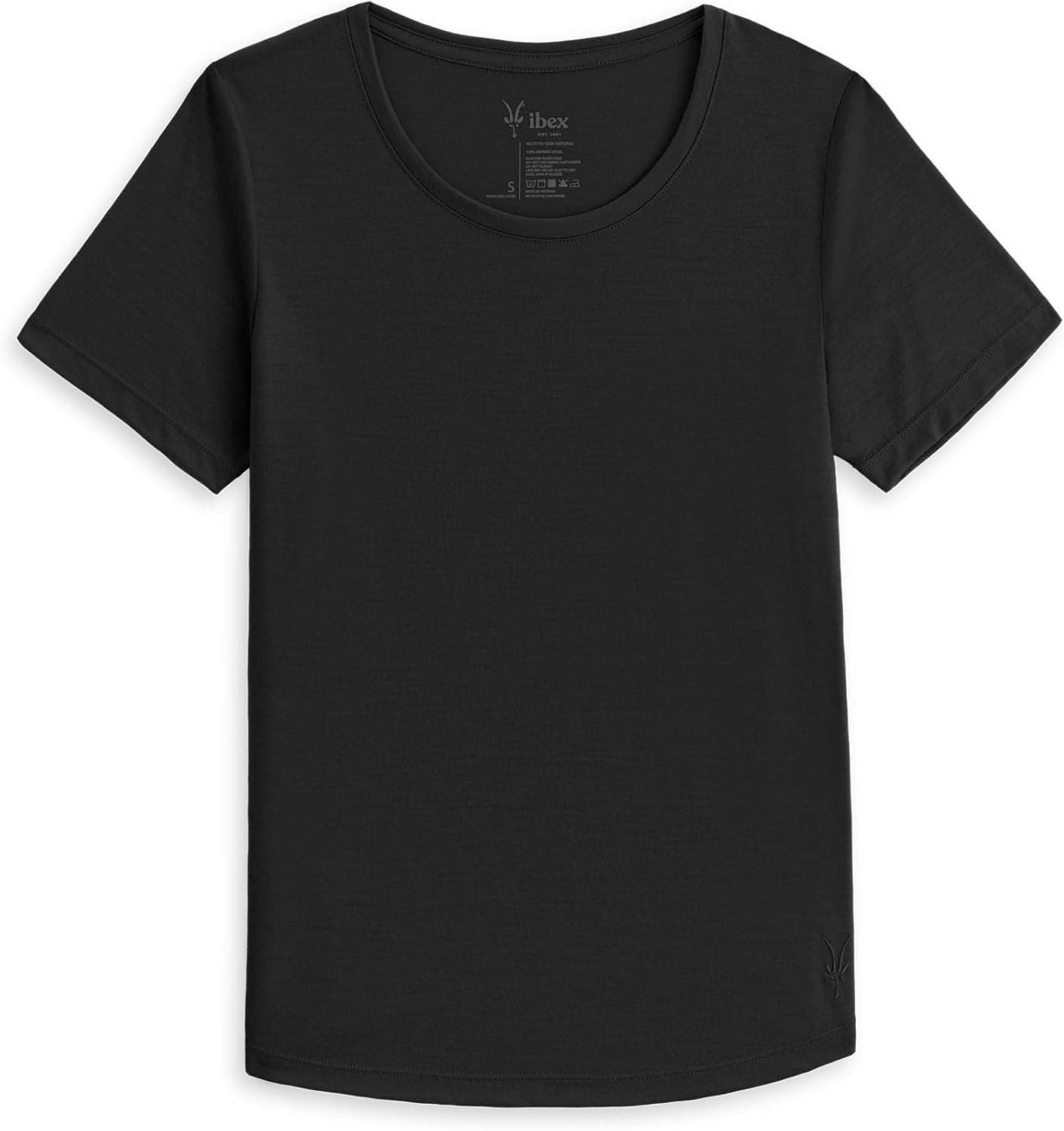
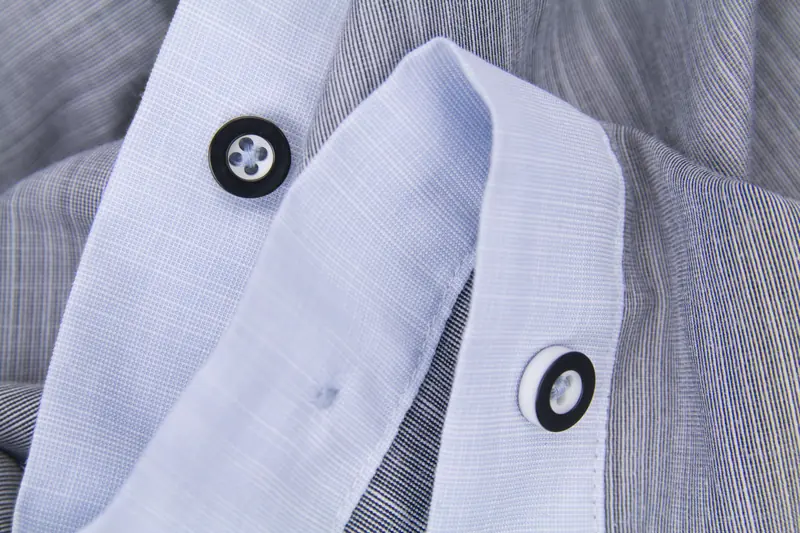
Merino wool is the darling of one-bag travelers, and for good reason. Its fine natural fibers resist odor for days, regulate temperature across hot and cold conditions, wick moisture, and still insulate when slightly damp. This combination means a single merino garment can be worn repeatedly and refreshed with a quick rinse, replacing several cotton equivalents. The trade-offs are cost and, for very thin merino, durability, since lightweight versions can develop small holes over time. Blends with a little nylon improve longevity at a slight cost to odor resistance.
Technical synthetics, such as polyester and nylon performance fabrics, are the workhorses of active travel. They dry extremely quickly, resist wrinkles, weigh very little, and stand up to hard use, which makes them ideal for hiking, hot climates, and anything involving sweat. Their main weakness is odor: synthetics tend to hold smell more than merino, so they need washing more often. Many are treated with anti-odor finishes that help, and their fast drying makes frequent washing painless, which offsets the issue in practice.
Cotton is comfortable and familiar, but it is the weakest choice for serious light packing. It is heavy, absorbs moisture readily, dries slowly, and begins to smell quickly, all of which push you toward packing more of it and washing it less conveniently. When damp, it offers no warmth and can chafe. Cotton has its place for casual comfort in mild conditions, but building a travel wardrobe around it undermines the frequent-washing routine that one-bag travel depends on, so it should play a supporting role at most.
Blends aim to capture the best of multiple fibers, and many of the best travel garments are blends. A merino and nylon mix keeps most of the odor resistance and temperature regulation while gaining durability. Cotton and synthetic blends improve drying speed and wrinkle resistance over pure cotton while retaining some of its comfort. Modern performance blends engineered specifically for travel often outperform any single pure fiber, so it is worth reading the composition rather than assuming a single material is always best.
Beyond the fiber itself, weight and weave matter. Lightweight, tightly woven fabrics pack smaller and dry faster than heavy, loose ones, and the same fiber can behave very differently depending on how it is made. When choosing travel clothes, favor lighter weights that still suit your climate, since they compress better and refresh faster. A midweight merino and a lightweight merino serve different purposes, so match the weight to the conditions you expect rather than defaulting to the heaviest, warmest option.
The practical strategy is to assign fabrics to roles. Use merino for the pieces worn against the skin every day, where odor resistance matters most, such as shirts, underwear, and socks. Use technical synthetics for active wear and hot-weather items that must dry fast. Reserve cotton for a comfort piece or two where washing frequency does not matter. Choosing fabrics deliberately, rather than by habit or comfort alone, is one of the highest-leverage decisions in packing light, because it directly controls how few clothes you can carry.
Popular right now
- Best Personal Item Bags and Slings for One-Bag TravelBuying guide
- Clamshell opening explainedGlossary
- Best Merino Wool Socks for TravelBuying guide
- Best Travel First Aid Kits for One-Bag TravelBuying guide
- Best Weekender Bags for One-Bag Short TripsBuying guide
- Best Compact Travel Umbrellas for One-Bag TravelBuying guide
Based on the last 28 days of search and visitor data.