How to Pack a Suit in Luggage Without Wrinkles (Carry-On Method)
Published How we research
The least damaging way to pack a suit is to fold it as few times as possible, put it on top of everything else, and cushion every fold with soft clothing or tissue. For a carry-on, that means a jacket turned shoulder in shoulder, trousers folded once along the crease, and a garment bag or a flat packed suitcase that does not let anything shift. Here is the full layout, plus what to do when a crease still appears.
Products from this article
The highest-scoring picks from the buying guides this article links to. Scores are our editorial assessment, not customer ratings.
As an Amazon Associate we earn from qualifying purchases. This does not change our picks. Affiliate disclosure
+ 52" length suits long dresses and full suits without folding at the hem
From our guide: Best Carry-On Garment Bags for One-Bag Travel
+ Compression zip reduces bulk so more fits in a carry-on
From our guide: Best Packing Cubes and Compression Sacks for One-Bag Travel
+ 22 x 14 x 9.5 inch size is meant to meet most major airline carry-on requirements
From our guide: Best Carry-On Rolling Luggage
+ Designed around blazers and pantsuits, so workwear arrives ready for meetings
From our guide: Best Carry-On Garment Bags for One-Bag Travel
Choose the right bag for a suit
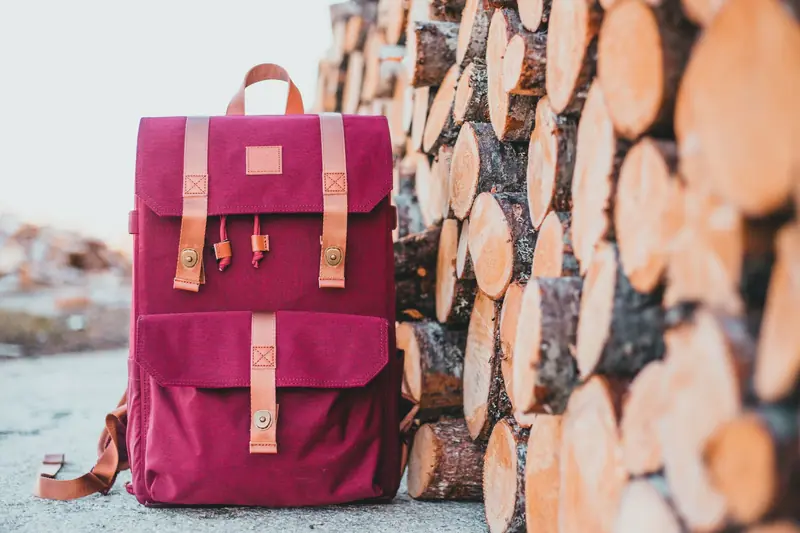
A suit wrinkles when it is compressed and when it slides. A bag with a flat, rectangular main compartment keeps a folded jacket stable, while a deep, tapered backpack tends to squeeze the middle of the load. Clamshell-opening carry-ons and suitcases are the easiest because the suit can lie flat in one layer with no stacked weight pressing on it.
If you wear a suit on most trips, a dedicated carry-on garment bag is worth a look: it lets you fold the suit in half or thirds instead of into a tight rectangle, which means shallower creases. If you travel one-bag style and the suit is a once-a-trip item, a regular carry-on with a flat layout is enough, as long as you follow the order below.
Fold the jacket with the shoulder method
Lay the jacket face down or hold it by the collar with the lining facing out. Push one shoulder inside out, so the shoulder pad tucks into the other shoulder. Line up the two shoulders so the jacket looks like a half-jacket with the lining on the outside, then smooth the sleeves down along the body.
Fold the jacket once at the waist, bringing the hem up to the collar. One fold at the waist is gentler than the three or four folds of a rolled bundle, and the lining on the outside protects the outer fabric from rubbing. If the jacket is structured and heavy, put a thin shirt or a sheet of tissue paper inside the fold so the fabric does not press against itself.
Pack trousers, shirts and the layout order
Trousers go in with the crease lined up, folded once at the knee. Lay them flat across the bottom of the bag with the waistband hanging slightly over the edge, so you can fold the overhang back over the top of the pile. That keeps the trouser crease straight and uses the trousers as padding under the jacket.
Pack in this order from the bottom: shoes in bags along the wheels side, heavy items like toiletries and chargers, flat folded casual clothes, trousers, shirts, and the jacket last on top. Shirts fold well around a piece of cardboard or in a thin folder, and collar stays should stay in to hold the collar shape. Anything soft such as socks and underwear can fill the gaps beside the jacket so it cannot shift in transit.
Use tissue, dry cleaner bags and cubes carefully
Wrinkles come from friction and sharp folds. Placing tissue paper or a thin dry cleaner bag between layers of fabric lets the layers slide a little instead of grabbing each other, which is the idea behind the common dry cleaner bag trick. A single thin layer is enough, thick plastic only adds bulk.
Compression is the enemy of a suit. Do not put a jacket or trousers into a compression sack or squeeze a cube until it is rock hard. Packing cubes work well for shirts, underwear and casual clothes, but keep the suit outside the cube, on top of the stack, so nothing is pressing on it. For the difference between the two, see the comparison of cubes and compression sacks.
Fix wrinkles when you arrive
Hang the suit as soon as you reach the room, on a proper hanger with the jacket shoulders seated on the hanger. Most fold creases relax by themselves in a few hours, particularly in wool. Hanging it in the bathroom while a hot shower runs adds steam and speeds this up.
For a stubborn crease, use a handheld travel steamer or a wrinkle-release spray, and keep the steamer a few inches away from the cloth rather than pressing on it. Many hotels also have an iron, but ironing a wool suit directly can leave a shine, so use a damp cloth between the iron and the fabric. Wool and wool blends recover from creases far better than linen, which will always show some texture.
When to wear the jacket instead of packing it
On a short trip, the simplest option is to wear the jacket on the plane and pack only the trousers and shirts. A worn jacket takes no bag space, and cannot crease in a bag. The main cost is comfort during the flight, so choose an unstructured or half-lined jacket for this approach.
If you are traveling one bag and weight is tight, check the carry-on limits for your airline before you add a second garment bag, since a suit bag may count as the personal item or the carry-on depending on the carrier. The size chart for the main US airlines is the quick way to check.
Frequently asked questions
Can I fold a suit jacket in half? Yes. Turn one shoulder inside the other, line up the sleeves and fold once at the waist. A single fold is less likely to leave a hard crease than rolling or folding the jacket several times.
Should I roll or fold a suit? Fold. Rolling creates round creases in structured fabric and twists the shoulder, while one or two flat folds tend to fall out when the suit is hung. Rolling is fine for shirts and casual clothes, as covered in the folding vs rolling article.
Is a garment bag better than a suitcase for a suit? A garment bag gives shallower folds and keeps the suit separate from the rest of your gear, so it is usually the safer choice for a formal event. A flat carry-on packed in the order above can do almost as well for a single suit.
How do I pack two suits in a carry-on? Fold the first jacket and trousers as above, lay the second suit over the first so the folds are staggered, and put soft items between the two. If you need more than two outfits, a garment bag or wearing one jacket is more reliable than a stacked pile.
Popular right now
- Best Personal Item Bags and Slings for One-Bag TravelBuying guide
- Clamshell opening explainedGlossary
- Best Merino Wool Socks for TravelBuying guide
- Best Travel First Aid Kits for One-Bag TravelBuying guide
- Best Weekender Bags for One-Bag Short TripsBuying guide
- Best Compact Travel Umbrellas for One-Bag TravelBuying guide
Based on the last 28 days of search and visitor data.