Staying Comfortable and Organized in Hostels
Published How we research
Hostels and shared accommodation are a cornerstone of affordable travel, but they trade privacy and control for savings, which can make comfort and organization a challenge. The good news is that a few small items and a handful of habits transform the hostel experience from stressful to genuinely pleasant. The goal is to carve out a small pocket of comfort and security within a shared space, and it takes surprisingly little to do so.
Products from this article
The highest-scoring picks from the buying guides this article links to. Scores are our editorial assessment, not customer ratings.
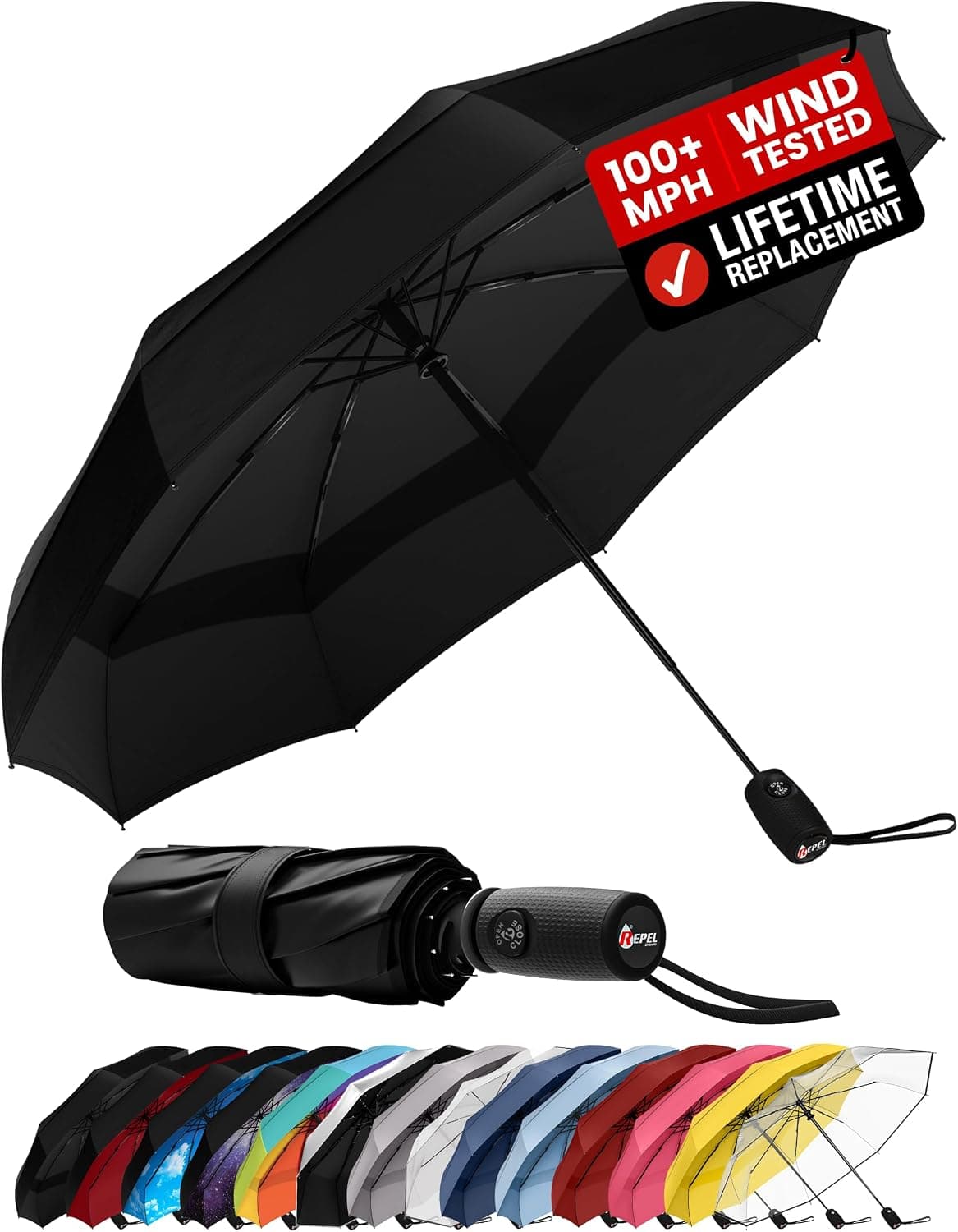
+ Auto open and close lets you pop it up while holding bags
From our guide: Best Travel Security and Utility Gear for One-Bag Travel
+ 85MPH wind rating handles blustery streets and coastal city storms
From our guide: Best Travel Security and Utility Gear for One-Bag Travel
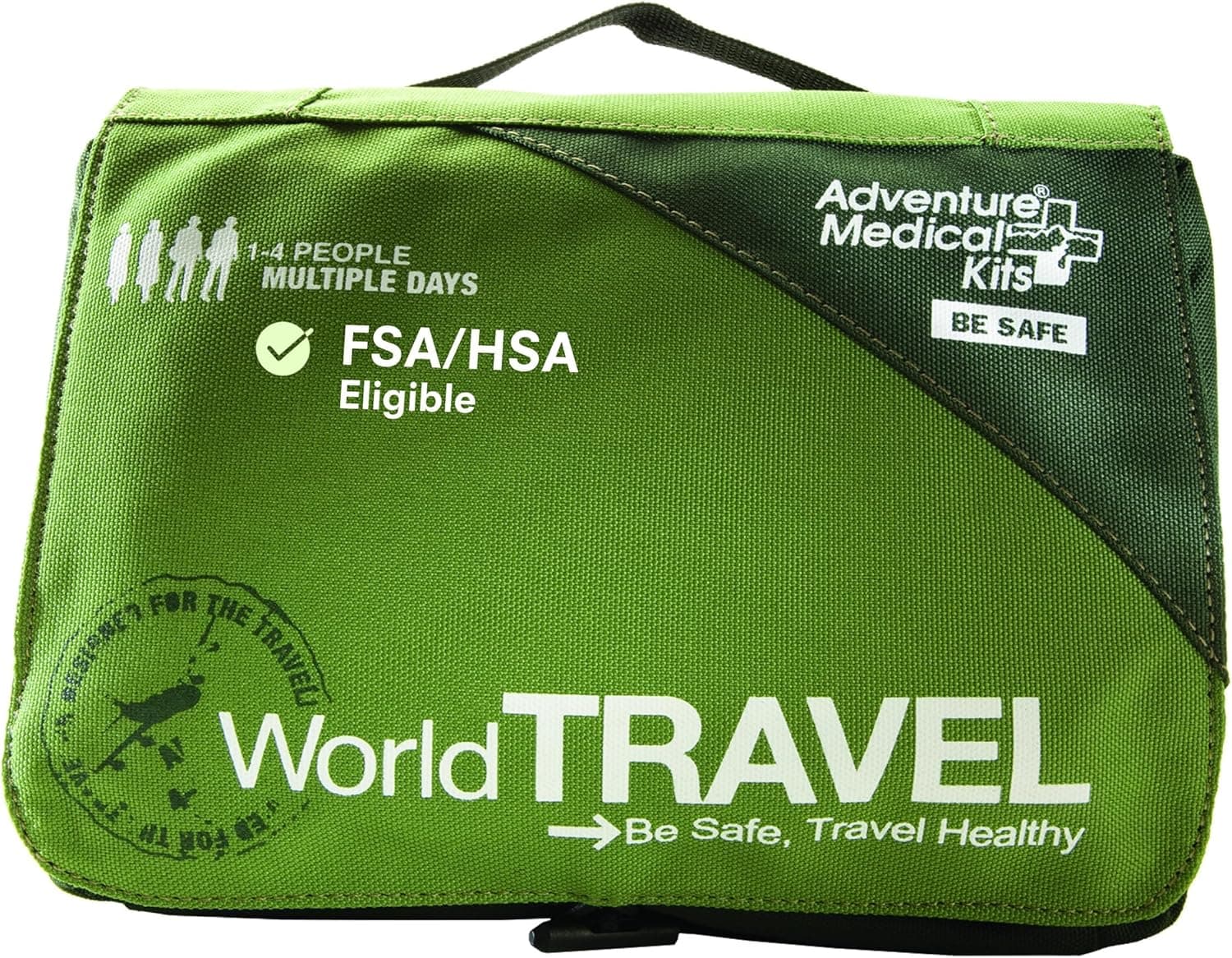
+ Contents are chosen for international travel problems like stomach upsets and blisters
From our guide: Best Travel Security and Utility Gear for One-Bag Travel
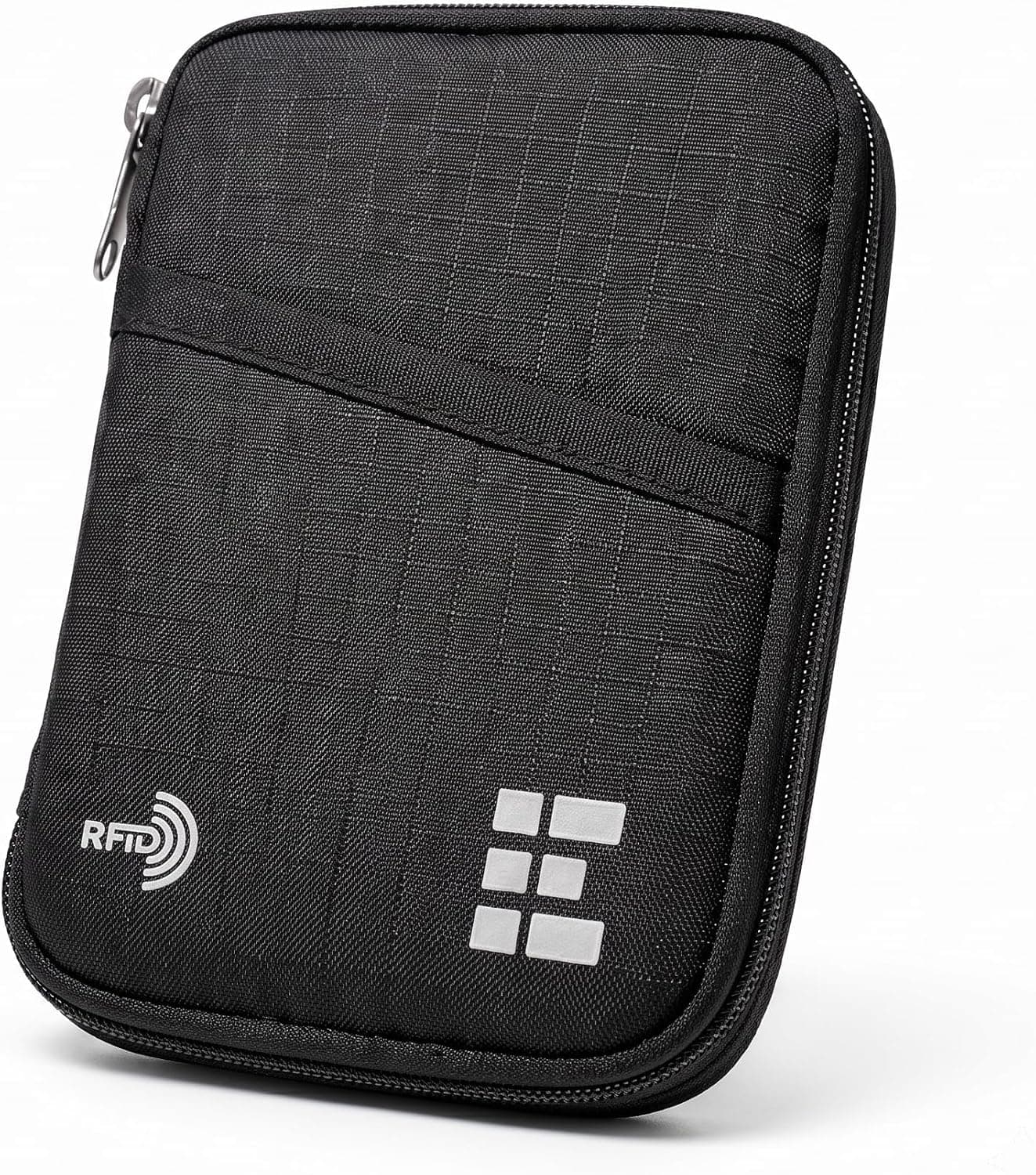
+ RFID blocking protects contactless cards and passport chips from skimming
From our guide: Best Travel Security and Utility Gear for One-Bag Travel

Sleep is the biggest variable in a dorm, and it is largely within your control. Dorms are noisy and often lit at odd hours as roommates come and go, so a good eye mask and a reliable pair of earplugs are transformative, blocking the light and sound that would otherwise wreck your rest. These two tiny items weigh almost nothing and can be the difference between a miserable night and a solid one. For light sleepers, they are non-negotiable hostel gear.
Security in shared spaces requires a simple system, because your belongings are exposed to strangers. Most hostels provide lockers, but many require you to bring your own padlock, so carrying a small, reliable lock ensures you can always secure your valuables. Keep your passport, money, and electronics locked away or on your person, never loose on a bunk. A lockable bag adds a second layer, letting you secure your pack even when a locker is unavailable. These habits make your belongings inconvenient to reach and deter opportunistic theft.
Organization matters more in a hostel than in a private room, because you have limited, often shared space and you must be able to find things quietly in the dark without disturbing others. Packing cubes shine here, keeping your clothes contained in one block rather than spread across a communal area. A small headlamp or a phone light lets you find things at night without turning on the main lights and waking the room, which your roommates will quietly appreciate.
Bathroom and hygiene logistics differ in shared facilities. A quick-drying microfiber towel is essential, since many hostels do not provide towels and it packs far smaller than a cotton one. A pair of flip-flops or sandals for shared showers protects your feet, and a hanging toiletry bag lets you use bathrooms that lack any shelf or counter space. These small adaptations to communal facilities keep your routine smooth and hygienic in spaces designed for many people rather than one.
Comfort in common areas is part of the hostel experience, and a little social openness enhances it. Hostels are among the best places to meet other travelers, and the shared kitchens and lounges are where that happens. Bringing a small padlock for the kitchen locker, keeping your food labeled, and being considerate with shared space makes the social side pleasant. A reusable water bottle and a few basic supplies let you take advantage of self-catering to save money and eat better.
The underlying principle is that comfort in hostels comes from preparation, not luck. The travelers who thrive in shared accommodation are simply the ones who packed an eye mask, earplugs, a padlock, a quick-dry towel, and flip-flops, and who adopted quiet, considerate habits. None of this adds meaningful weight or cost, yet together it turns budget accommodation into a comfortable, secure, and sociable base. Master these small things, and hostels become an asset to your travels rather than a compromise you endure.
Popular right now
- Best Personal Item Bags and Slings for One-Bag TravelBuying guide
- Clamshell opening explainedGlossary
- Best Merino Wool Socks for TravelBuying guide
- Best Travel First Aid Kits for One-Bag TravelBuying guide
- Best Weekender Bags for One-Bag Short TripsBuying guide
- Best Compact Travel Umbrellas for One-Bag TravelBuying guide
Based on the last 28 days of search and visitor data.