Why Your Travel Backpack Hurts Your Shoulders
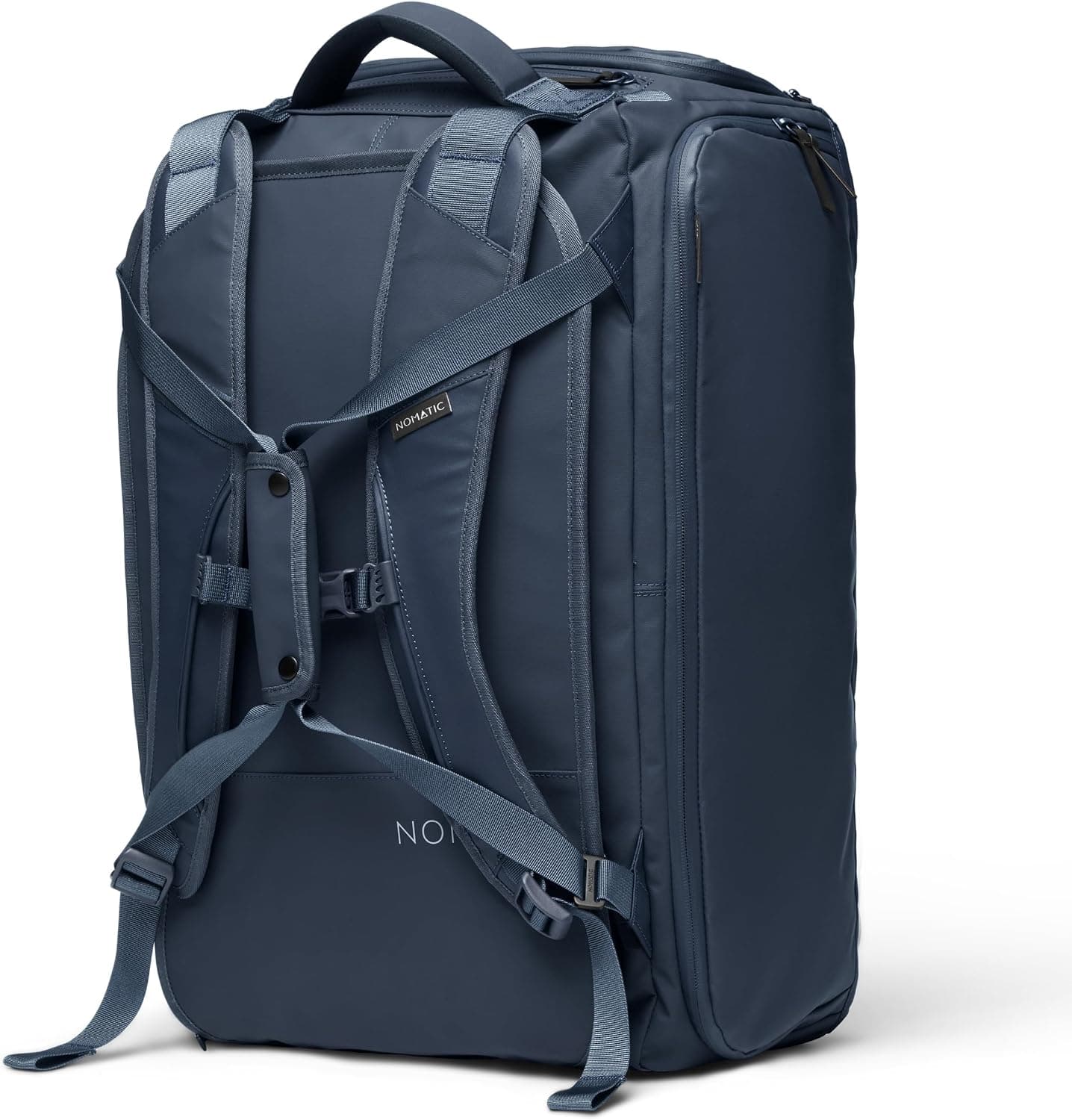
A carry-on backpack full of a week's gear can weigh 8-10 kg, and carrying it through airports, stations and cobbled streets shows every fit problem. Most shoulder and neck pain comes from how the bag is adjusted and packed rather than the bag itself.
Adjust the fit in the right order
Loosen all straps, put the bag on and tighten the hip belt first if it has one, so it sits on your hip bones and carries a large share of the load. Then snug the shoulder straps so they wrap over your shoulders without gaps.
Next pull the load lifters, the small straps above the shoulders, to bring the top of the bag closer to your back. Finally fasten the sternum strap across your chest to stop shoulder straps sliding outward.
Pack heavy items close to your back
Place the heaviest items, such as laptops, shoes and toiletry bags, close to your spine and in the middle of the bag. Heavy weight near the outside or bottom pulls the bag backward and makes your shoulders work harder.
Fill empty spaces so gear does not shift when you walk. Packing cubes help keep the load compact and stable.
Weight is the real limit
Even a well-fitted bag becomes painful if it is simply too heavy. Weigh your packed bag at home, and remove items you packed just in case. Many one-bag travellers aim for well under airline weight limits for comfort.
Wear your heaviest shoes and jacket on travel days, and shift liquids and small electronics to a personal item or sling you can carry separately.
Straps and bag design matter
Thin, unpadded straps dig into shoulders under load. Travel backpacks with contoured padded straps, load lifters and a padded hip belt carry weight far better than school-style bags of the same size.
Torso length also matters. A bag that is too long or too short puts the hip belt and load lifters in the wrong places. Check the brand's torso size guidance if they offer multiple sizes.
Habits on travel days
Take the bag off while waiting in lines or on trains, rather than wearing it for hours. Use both straps rather than slinging it over one shoulder, which creates uneven strain.
If pain persists despite good fit and a lighter load, consider a bag with a better harness system or a rolling carry-on for trips with long walks through airports.
Stretch and move during long travel days
Carrying a loaded backpack for hours tightens the neck, upper back and shoulders, and sitting on planes and trains adds stiffness. Take the bag off whenever you wait, roll your shoulders, gently stretch your chest in a doorway and walk rather than standing still with the load on.
Alternate carrying positions only for short periods, such as switching to the grab handle when walking through a crowded carriage, then return to both straps. On multi-day trips, consider leaving the bag at your accommodation and using a light daypack for sightseeing so your shoulders get a rest.